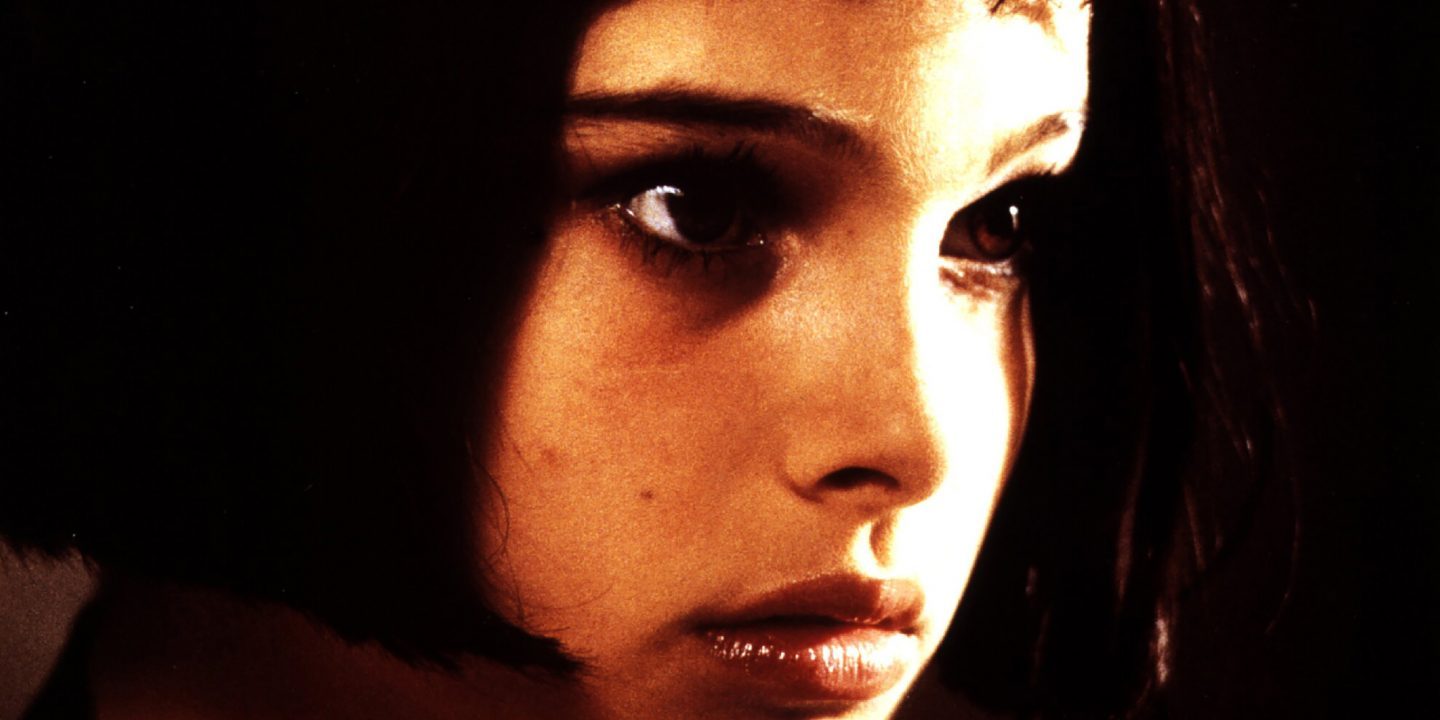
The 1994 cult classic Léon – Der Profi, known internationally as Léon: The Professional, remains a cinematic touchstone for many. Directed by the visionary Luc Besson, this gritty thriller introduced audiences to an extraordinary talent in her very first film role: Natalie Portman. Yet, despite the film's enduring popularity and critical acclaim, Portman herself has long grappled with complex feelings about her portrayal of Mathilda, the 12-year-old orphan taken under the wing of a hitman. Her reflections, particularly concerning the film's unsettling undertones of sexualization, offer a powerful and poignant re-evaluation of a role that catapulted her to stardom.
One of the most frequently asked questions about her debut is: Wie Alt War Natalie Portman Bei Leon Der Profi? Natalie Portman was remarkably young, just 12 years old during the filming of Léon – Der Profi, and turned 13 by the time the film was released. This tender age makes her subsequent reflections on the character and the film's themes all the more significant, highlighting the profound impact early experiences in the spotlight can have on a developing individual.
The Genesis of a Star: Natalie Portman's Breakthrough in "Léon – Der Profi"
Before becoming an Academy Award winner and one of Hollywood's most respected actresses, Natalie Portman was an unknown child making her feature film debut. At such a formative age, taking on a role as demanding and emotionally charged as Mathilda was an immense challenge. The character, a street-smart and hardened pre-teen seeking revenge for her family's murder, required a performance of incredible depth and maturity.
Working alongside French cinema legend Jean Reno, who played the titular hitman Léon, Portman delivered a performance that critics lauded as nothing short of astounding. Her ability to convey vulnerability, anger, and a startling precocity captivated audiences and critics alike, earning her widespread recognition and setting the stage for an illustrious career. Indeed, it’s not an exaggeration to say that Léon – Der Profi wasn't just a film for Portman; it was the definitive launching pad that established her as a serious talent from day one. Yet, the very role that brought her fame also planted seeds of discomfort that would grow over time, leading to her current, nuanced perspective on the film.
"Léon – Der Profi": A Story of Unlikely Bonds and Enduring Cult Status
Léon – Der Profi tells the dark, compelling story of an unlikely bond forged in the violent underbelly of New York City. Léon (Jean Reno), a reclusive professional hitman, lives a solitary existence bound by a strict code of ethics, notably abstaining from harming women or children. His world is violently disrupted when corrupt DEA agents, led by the psychopathic Stansfield (Gary Oldman), murder the family of his young neighbor, Mathilda (Natalie Portman), leaving her as the sole survivor.
Initially reluctant, Léon takes Mathilda in. Driven by a burning desire for vengeance, the 12-year-old Mathilda pleads with Léon to train her as a killer, seeing him as her only hope for retribution. What unfolds is a complex, often disturbing, yet strangely tender relationship between two damaged souls. The film is renowned for its stylized violence, evocative cinematography, and the powerful, albeit controversial, dynamic between its two protagonists. Critics continue to praise Luc Besson's direction and the performances of its leads, solidifying its place as a cult classic that continues to draw new viewers and spark intense discussion.
Natalie Portman's Candid Reflections: Shame, Sexualization, and the Weight of Mathilda
Despite the film's critical and popular success, Natalie Portman openly admits to having "mixed feelings" about Léon – Der Profi today. She has stated that revisiting her character Mathilda evokes a sense of shame. "It's a film that's still very beloved, and I'm asked about it more often than almost anything else I've ever done," Portman shared, underscoring its enduring impact on her public persona.
Her verdict on the film is complex: "It allowed me to have my career, but when you watch it today, it definitely has some, to say the least, embarrassing moments. Yes, it's a complicated matter for me." The core of her discomfort stems from the film's portrayal of a young girl and the implications of her sexualization. Portman explicitly stated, "I believe that the sexualization in my childhood affected my own sexuality, because it made me afraid." This powerful reflection sheds light on the often unseen psychological toll that certain roles can exact on child actors, particularly when themes of sexuality are involved. For a deeper look into her feelings, read our related articles: Natalie Portman at 13: Her Mixed Feelings on "Léon – Der Profi" and "Léon": How Natalie Portman's Breakthrough Role Left Lasting Scars.
Portman's honesty forces us to reconsider films we once celebrated through a more critical lens, particularly concerning the ethical responsibilities of filmmakers and the protection of child performers. Her experience highlights a critical discourse in Hollywood today about age-appropriate roles, boundaries, and the long-term well-being of young talent.
Beyond Mathilda: Portman's Illustrious Career and Advocacy
After her impactful debut in Léon – Der Profi, Natalie Portman cultivated a career marked by both commercial success and critical acclaim. Far from being typecast, she demonstrated remarkable versatility, moving between blockbusters like the Star Wars prequels and critically lauded dramas such as Closer and V for Vendetta. Her dedication culminated in an Academy Award for Best Actress for her stunning performance in Darren Aronofsky’s psychological thriller Black Swan, along with numerous other accolades including a Golden Globe and a BAFTA Award.
Beyond her acting prowess, Portman has always been known for her sharp intellect and thoughtful approach to life. She famously attended Harvard College, where she earned a degree in psychology, a testament to her academic brilliance and grounded nature. This educational background likely informs her nuanced understanding of the psychological impact of her early career experiences. Her reflections on Léon are not merely a personal anecdote; they are part of a larger conversation about the ethical treatment of child actors, the portrayal of minors in media, and the pervasive issue of childhood sexualization in society. Portman continues to be an advocate for important social causes, using her platform to foster awareness and demand change.
Revisiting "Léon – Der Profi": Where to Watch This Controversial Gem
For those interested in revisiting Léon – Der Profi through Natalie Portman's critical lens, or for new viewers discovering this controversial masterpiece, the film remains widely accessible. It frequently airs on television channels like RTL Zwei in Germany, and is readily available on various streaming platforms. You can typically find Léon – Der Profi available for rent or purchase on services such as Amazon Prime Video, Sky Store, Apple TV, and Maxdome, allowing audiences worldwide to experience Luc Besson's gritty vision and Portman's unforgettable debut.
Conclusion
Léon – Der Profi stands as a powerful, albeit problematic, film in cinema history. It’s a testament to the directorial skill of Luc Besson and the transformative performance of a young Natalie Portman, who at just 12 years old, delivered a performance that would define the start of her legendary career. Yet, Portman's candid reflections decades later compel us to look beyond the immediate brilliance and consider the lasting impact of such roles on young performers. Her bravery in discussing the "embarrassing moments" and the pain of childhood sexualization enriches our understanding of the film and ignites crucial conversations about the ethics of filmmaking. As audiences continue to discover and debate Léon – Der Profi, Portman's voice serves as a vital reminder that behind every iconic character is a human being with a complex story, shaped by their experiences, both on and off the screen.